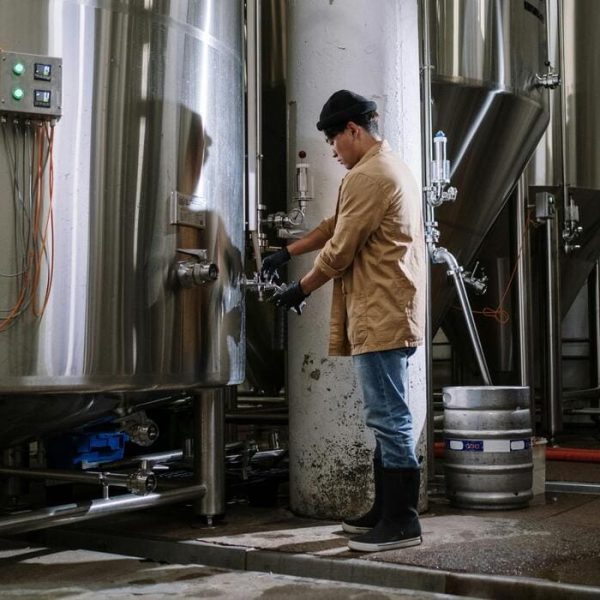
From optimizing hop schedules to predicting which seasonal release will fly off the shelves, artificial intelligence is becoming a quiet partner in the brewhouse. What once relied solely on intuition and trial-and-error can now be guided by data-driven insights that help brewers innovate faster, reduce waste, and consistently hit their desired flavor profiles.
Fans keep up with the latest ghana celebrity news to follow their favourite stars.
As independent breweries compete for shelf space and tap handles, many are turning to specialized AI tools for small businesses to streamline everything from recipe development to market forecasting. When thoughtfully integrated into the brewing process, these digital assistants free up time for creativity while enhancing quality and profitability.
1. Smarter Recipe Development and Flavor Design
One of the most powerful applications of artificial intelligence in brewing is recipe optimization. By analyzing historic batch data, customer reviews, sensory scores, and raw ingredient characteristics, algorithms can identify which combinations of malt, hops, yeast, and adjuncts are most likely to achieve a desired flavor outcome.
- Predictive flavor modeling: Models can predict how bitterness, aroma intensity, body, and color will change when you adjust grain bills, hop timings, or yeast strains.
- Rapid iteration: Instead of brewing dozens of test batches, brewers can narrow down to a few promising recipes that the model forecasts will meet the target profile.
- Ingredient substitution: When specific hops or malts are unavailable or too costly, AI-driven suggestions can propose alternatives that maintain or even enhance the intended flavor.
This level of digital experimentation speeds up innovation and enables breweries to launch new products with more confidence that they will resonate with drinkers.
2. Precision in Mash, Fermentation, and Conditioning
Brewing is as much about process control as it is about raw ingredients. Intelligent systems can monitor, adjust, and optimize critical parameters across every step of production.
- Mash efficiency: Real-time analysis of temperature, pH, and gravity helps dial in step mashes or decoctions to increase extraction without creating off-flavors.
- Fermentation tracking: By learning from past fermentations, models can anticipate stuck fermentations, diacetyl spikes, or off-aroma risks and recommend interventions before problems occur.
- Conditioning timelines: Algorithms can correlate conditioning time, carbonation levels, and cold-crash profiles with sensory data to recommend the ideal timeline for each style.
Over time, these systems essentially “learn” the quirks of each brewhouse, tank, and yeast strain, giving brewers a level of consistency that’s hard to achieve manually, especially as production volume grows.
3. Ingredient Sourcing and Supply Chain Optimization
Cost control is crucial in a competitive market. Intelligent platforms can analyze historical purchasing, supplier performance, and market pricing to help breweries buy smarter.
- Forecasting ingredient needs: Demand predictions help brewers order the right amount of grain, hops, and adjuncts, reducing both shortages and overstock.
- Spotting better deals: Systems can flag when switching suppliers or adjusting order sizes would lead to measurable savings without compromising quality.
- Evaluating ingredient performance: By linking batch outcomes to specific lots of malt or hops, breweries can see which suppliers consistently produce the best results.
This kind of insight is especially valuable for smaller operations that can’t afford a misstep in purchasing or long stretches of tied-up cash in inventory.
4. Quality Control and Predictive Maintenance
Consistent quality is what turns a casual drinker into a loyal fan. Intelligent analytics can augment traditional lab testing and sensory panels with deeper, faster feedback.
- Early detection of off-flavors: By analyzing lab results, tank data, and historical trends, systems can flag batches at risk of contamination or unwanted flavor compounds.
- Predictive maintenance: Monitoring patterns in pump loads, chiller performance, or CIP cycles can predict when equipment is likely to fail, scheduling maintenance before it disrupts production.
- Standardizing sensory evaluation: Structured feedback data from tasting panels can be modeled to reduce subjectivity and highlight subtle shifts in beer profile over time.
Together, these capabilities help breweries reduce dumped batches, minimize downtime, and maintain the quality that keeps accounts and customers coming back.
5. Sales Forecasting and Production Planning
Brewing the right amount of the right beer at the right time is a constant balancing act. Intelligent demand forecasting can significantly improve that balance.
- Demand prediction by SKU: Using historical sales, seasonality, events, and local trends, systems estimate how much of each beer will sell in upcoming weeks and months.
- Planning limited releases: Predictive insights help dial in batch sizes for special releases, collabs, and seasonal beers to avoid both sell-outs and excess inventory.
- Distributing effectively: Data-driven allocation across taprooms, distributors, and key accounts increases freshness and reduces the risk of old stock sitting on shelves.
Better forecasting smooths production schedules, improves cash flow, and ensures customers find their favorite beers when they want them.
6. Marketing Insights and Consumer Feedback Loops
Understanding what drinkers actually think about your beers is no longer limited to in-person conversations or a handful of social media comments. Intelligent analysis of online reviews, check-ins, and social chatter can reveal trends that shape future decisions.
- Sentiment analysis: Automatically evaluate how customers talk about specific beers, flavor notes, and packaging designs across platforms.
- Identifying emerging preferences: Spot rising interest in certain styles, ABV ranges, or flavor adjuncts before they peak.
- Optimizing branding and messaging: Analyze which descriptions, label designs, or campaign themes correlate with higher engagement and sales.
Feeding these insights back into recipe design and release planning closes the loop between what brewers make and what customers crave.
7. Sustainability and Waste Reduction
Sustainability is a growing priority across the industry, and intelligent optimization tools play a direct role in reducing a brewery’s environmental footprint.
- Energy efficiency: Analyzing data from boilers, chillers, and HVAC systems can highlight opportunities to reduce energy consumption without compromising process control.
- Water use monitoring: Tracking water inputs and outputs by stage helps identify leaks, inefficiencies, or cleaning procedures that consume more water than necessary.
- Waste reduction: Smarter recipe and production planning decreases the likelihood of overproduction, expired stock, or dumped batches.
These improvements support both cost savings and sustainability goals, a win-win that many drinkers increasingly appreciate.
Conclusion: Keeping Craft at the Center
Intelligent systems are not here to replace the brewer’s craft, but to support it. From recipe design and process optimization to market insight and sustainability, they provide a data-rich foundation on which creativity can thrive. The most successful breweries will be those that embrace these tools as collaborators, leveraging their analytical power while keeping human intuition, taste, and storytelling at the heart of every pint they pour.